I was doing a somersault on the ocean floor, wondering why I had agreed to this surfing lesson.
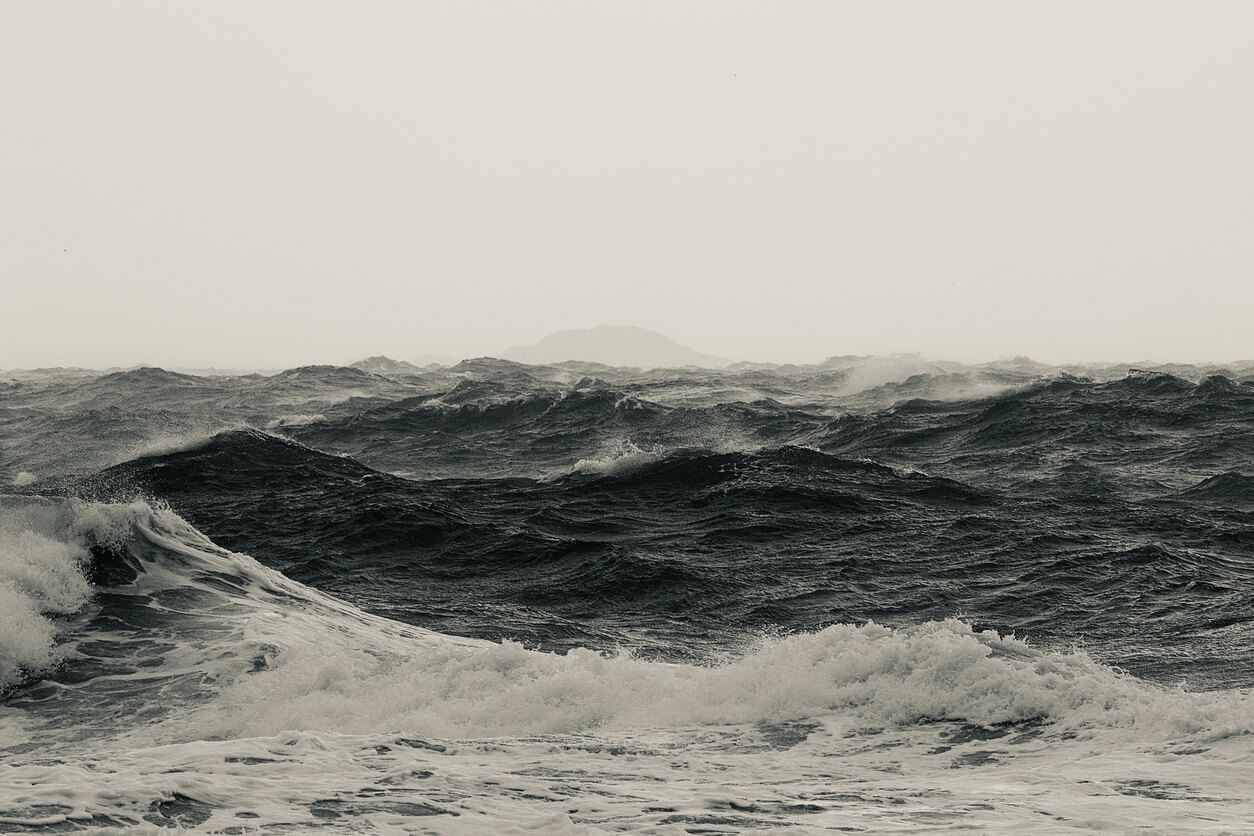
A storm was coming to the Jersey Shore. Before we went out, the instructor estimated the waves at about three feet.
As a perpetual beginner surfer, one- to two-foot waves are usually enough for me, and I said I wasn’t sure I could do it.
He thought I could.
Once we were out there, those waves looked a lot closer to five feet. I was fighting to stay on the board and losing. When the ocean was tossing me around like I was in a washing machine, I realized that if I could make it back to the surface, I needed to adjust my expectations to match the conditions. Instead of practicing turning, I just wanted to finish the lesson safely.
The instructor leaned in and asked if I wanted a break.
I said no because I knew that if I took one, I wasn’t coming back.
I finished the lesson, sore, bruised, and exhausted. After my lesson, I took a long bath, ate yummy food, and watched TV.
In short, I gave my body and mind time to recover.
How often do we push through without making adjustments even though everything has shifted?
I went into that lesson expecting to practice turning. Once I was out there, finishing safely took everything I had. Afterward, I needed time to recover before asking anything else of myself.
The three biggest lessons I learned were:
- Adjust your expectations for what you can accomplish as the context changes. You can’t expect the same output when the conditions have changed.
- Sometimes, survival is the win. It may not be pretty or brag-worthy, but just getting it done is the win.
- Rest and recovery are crucial to giving us the longevity we need to keep going.
Which commitments are you holding yourself and your team to that were made when you had more time, energy, or support?